Blog
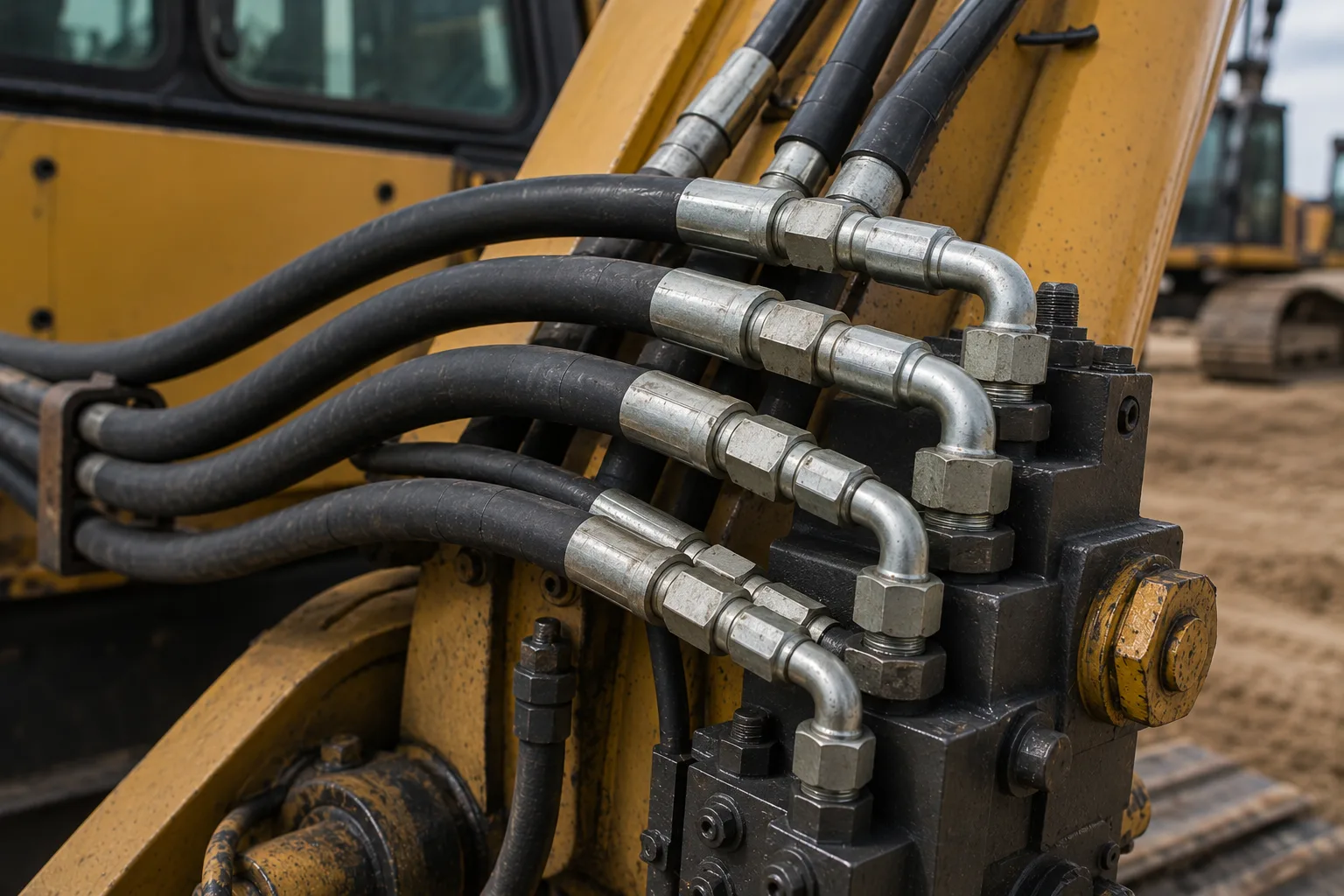
Hydraulic Hose Failure Causes and How Quality Suppliers Prevent Them
May 27, 2026Hydraulic hose failure is one of the most common reasons behind unexpected equipment downtime, pressure loss, fluid leakage, and reduced operational efficiency in industrial and automotive systems. Choosing the right hydraulic hose supplier plays a major role in preventing these failures and ensuring long-term system reliability.
Industries such as construction, agriculture, manufacturing, mining, and heavy machinery depend heavily on hydraulic hose assemblies for smooth power transmission. However, poor-quality hoses, improper installation, and lack of maintenance often lead to frequent failures that increase repair costs and operational risks.
In this guide, we will explain the major causes of hydraulic hose failure, how quality suppliers help prevent these issues, and what businesses should consider before choosing hydraulic hose assemblies for industrial applications.
If you are looking for reliable and high-performance hydraulic solutions, explore premium-quality hydraulic hose assemblies from Imperial Auto Industries.
Why Hydraulic Hose Reliability Matters
Hydraulic hoses operate under high pressure, extreme temperatures, vibration, and continuous mechanical stress. Even a small hose failure can affect the entire hydraulic system.
A damaged hydraulic hose can lead to:
- Fluid leakage
- Equipment shutdown
- Pressure loss
- Reduced machine efficiency
- Workplace safety risks
- Increased maintenance expenses
For industries that rely on uninterrupted operations, choosing durable hydraulic hose assemblies becomes essential for maintaining productivity and reducing long-term costs.
Common Causes of Hydraulic Hose Failure
Understanding why hydraulic hoses fail helps businesses take preventive measures before costly breakdowns occur.
1. Incorrect Hose Selection
One of the biggest causes of hydraulic hose failure is selecting the wrong hose type for the application.
Many businesses overlook factors such as:
- Pressure rating
- Fluid compatibility
- Temperature resistance
- Bend radius
- Environmental conditions
Using hoses that cannot handle operational requirements often leads to premature cracking, leakage, and burst failures.
A professional hydraulic hose supplier helps businesses select assemblies based on actual operating conditions rather than just pricing.
2. Excessive Pressure
Hydraulic systems operating beyond recommended pressure limits place excessive stress on hose assemblies.
Overpressure conditions may cause:
- Hose bursting
- Reinforcement damage
- Internal tube failure
- Reduced hose lifespan
High-quality hydraulic hoses are designed to handle pressure fluctuations while maintaining long-term performance stability.
3. Improper Installation
Improper hose routing and installation significantly reduce hydraulic hose life.
Common installation mistakes include:
- Twisted hoses
- Tight bend radius
- Poor clamping
- Incorrect fitting selection
- Excessive hose tension
Improper installation increases vibration, friction, and stress concentration, leading to early hose deterioration.
4. Abrasion and External Damage
Hydraulic hoses often operate in harsh industrial environments where they are exposed to:
- Friction
- Sharp edges
- Heat
- Chemicals
- Moisture
- Dust
Continuous abrasion weakens the outer cover and exposes reinforcement layers, eventually causing leakage or rupture.
Quality hose assemblies use durable outer materials that provide better resistance against wear and environmental damage.
5. Temperature Extremes
Hydraulic hoses exposed to excessive heat or freezing temperatures experience faster material degradation.
High temperatures may cause:
- Hardening
- Cracking
- Reduced flexibility
- Internal tube deterioration
Low temperatures can make hoses brittle and more vulnerable to failure during pressure surges.
Selecting hoses designed for specific temperature ranges improves operational safety and durability.
6. Fluid Contamination
Contaminated hydraulic fluid often damages internal hose surfaces and reduces overall system efficiency.
Common contaminants include:
- Dirt particles
- Metal debris
- Moisture
- Chemical contamination
Contaminated systems increase internal wear and accelerate hose failure.
Regular fluid inspection and preventive maintenance help minimize these risks.
7. Lack of Preventive Maintenance
Many hydraulic hose failures occur because worn assemblies are not replaced on time.
Ignoring early warning signs such as:
- Fluid leakage
- Surface cracks
- Bulging
- Loose fittings
- Reduced flexibility
can eventually result in complete system breakdown.
For long-term hydraulic performance, businesses should implement regular hose inspection schedules.
You can also read this detailed hydraulic hose maintenance guide to understand how preventive maintenance improves hose lifespan and operational efficiency.
How Quality Hydraulic Hose Suppliers Prevent Failures
Not all hydraulic hose assemblies offer the same level of durability and performance. Reliable suppliers play a critical role in preventing operational failures.
1. High-Quality Material Selection
Premium hydraulic hose suppliers use advanced materials that provide:
- Better pressure resistance
- Improved flexibility
- Higher abrasion resistance
- Longer service life
This improves overall system reliability and reduces replacement frequency.
2. Application-Specific Hose Solutions
Experienced suppliers analyze:
- Operating pressure
- Fluid type
- Temperature conditions
- Equipment requirements
- Environmental exposure
before recommending hydraulic hose assemblies.
This ensures the hose performs efficiently under actual operating conditions.
3. Strict Quality Control Standards
Reliable manufacturers follow strict testing and quality inspection procedures to ensure:
- Leak resistance
- Burst pressure performance
- Dimensional accuracy
- Long-term durability
Consistent manufacturing quality significantly reduces operational risks.
4. Better Fitting Compatibility
Poor fitting compatibility is a major reason behind hydraulic leakage and pressure failure.
Quality suppliers provide:
- Proper fitting integration
- Secure connections
- Improved sealing performance
which improves hydraulic system stability.
5. Technical Support and Product Guidance
Professional hydraulic hose suppliers help businesses choose the right products based on:
- Machine application
- Industry requirements
- Load conditions
- Environmental exposure
This reduces incorrect product selection and minimizes failure risks.
Why Businesses Prefer Reliable Hydraulic Hose Suppliers
Industrial buyers increasingly prioritize quality and reliability over short-term cost savings.
Reliable hydraulic hose suppliers help businesses achieve:
- Reduced downtime
- Better equipment efficiency
- Lower maintenance costs
- Improved workplace safety
- Longer hydraulic system life
For industries where operational continuity is critical, investing in premium hydraulic hose assemblies delivers better long-term returns.
If you are sourcing industrial-grade hose assemblies for demanding applications, explore high-performance solutions from Imperial Auto Industries designed for durability, reliability, and consistent hydraulic performance.
How to Choose the Right Hydraulic Hose Supplier
Before selecting a hydraulic hose supplier, businesses should evaluate:
- Product quality standards
- Industry experience
- Testing capabilities
- Customization options
- Technical support
- Product range
- Delivery reliability
Choosing an experienced supplier ensures better product performance and long-term operational support.
Conclusion
Hydraulic hose failures can lead to serious operational disruptions, equipment damage, and increased maintenance expenses. Common causes such as improper hose selection, excessive pressure, abrasion, contamination, and poor installation often shorten hose lifespan and reduce hydraulic system efficiency.
Working with a reliable hydraulic hose supplier helps businesses prevent these issues through high-quality materials, application-specific solutions, and strict manufacturing standards.
For industries that depend on efficient hydraulic performance, investing in durable hydraulic hose assemblies is essential for improving reliability, safety, and long-term operational efficiency.